Retaining Wall Drainage Myths That Can Lead to Costly Repairs
Across Mount Barker and the broader Adelaide Hills, retaining walls are essential for managing undulating terrain, creating usable outdoor space, and providing reliable earth retention. However, property owners often underestimate the destructive power of subsurface moisture. In 2026, landscape engineering standards emphasize that poor moisture management causes over eighty percent of retaining wall failures. Believing common drainage myths often leads to bowing structures, sinkholes, cracked blocks, and catastrophic collapses that require extensive remedial work.
Understanding the science behind water management ensures your investment stands firm against Mount Barker's seasonal heavy rainfall and reactive clay soils. Here are the most prevalent retaining wall drainage myths and the engineering realities property owners need to know.
Myth 1: Weep Holes Alone Provide Adequate Drainage
A common misconception in residential landscaping is that drilling or casting weep holes through the face of concrete retaining walls or block retaining walls is enough to relieve hydrostatic pressure. While weep holes are an important component, they only function as the final discharge point of a comprehensive system.
Without an integrated gravel drainage layer and non-woven geotextile fabric drainage behind the wall face, fine silts and clays quickly migrate toward the weep holes, clogging them entirely. Once weep holes clog, water collects unchecked behind the structure, exerting thousands of kilograms of lateral hydrostatic pressure. High-performance drainage behind retaining walls requires continuous internal pathways, combining perforated agricultural pipes, proper drainage aggregate installation, and clean filtration https://jeffreykjgk542.meridiannest.com/posts/retaining-wall-costs-in-mount-barker-what-drives-the-price materials to transport water safely to designated exit points.
Myth 2: Standard Soil Can Be Used for Backfilling
During initial landscape backfill and excavation, many property owners attempt to save money by dumping site-excavated soil directly behind the newly erected wall. In Mount Barker, local soils are heavily dominated by reactive clays that expand dramatically when saturated and hold water like a sponge.
Clay soils retain water instead of shedding it, exponentially increasing the lateral load placed against the structure. Modern engineered retaining wall solutions specify clean, free-draining angular aggregate—typically 20mm aggregate free of fine particles—for the immediate zone behind the wall. Coupling aggregate backfill with professional excavation services for retaining walls guarantees that water rapidly descends toward sub-drainage pipes rather than saturating the structural wall components.
Myth 3: Drainage Is Only Necessary on Steep Hillsides
While hillside construction undeniably demands meticulous hydraulic control, assuming that low-profile or garden retaining walls do not require drainage is a costly error. Even a wall under one metre in height can fail if water pools in the backfill zone.
Water always takes the path of least resistance. In low-slope residential yards, poor land grading techniques can cause surface runoff to accumulate behind decorative borders. Over time, moisture accumulation compromises ground reinforcement, saturates base trenches, and induces localized shifting or wall tipping. Every earth-retaining structure, from compact garden borders to towering commercial retaining walls, demands customized drainage installation for retaining walls tailored to local site conditions and anticipated hydraulic loads.

Myth 4: Surface Runoff Has No Impact on Subsurface Drainage
Another dangerous myth is the assumption that subterranean drainage pipes operate independently of surface runoff. In reality, unchecked roof runoff, gutter overflows, and unmanaged surface sheets will rapidly overwhelm subsurface weeping tiles.
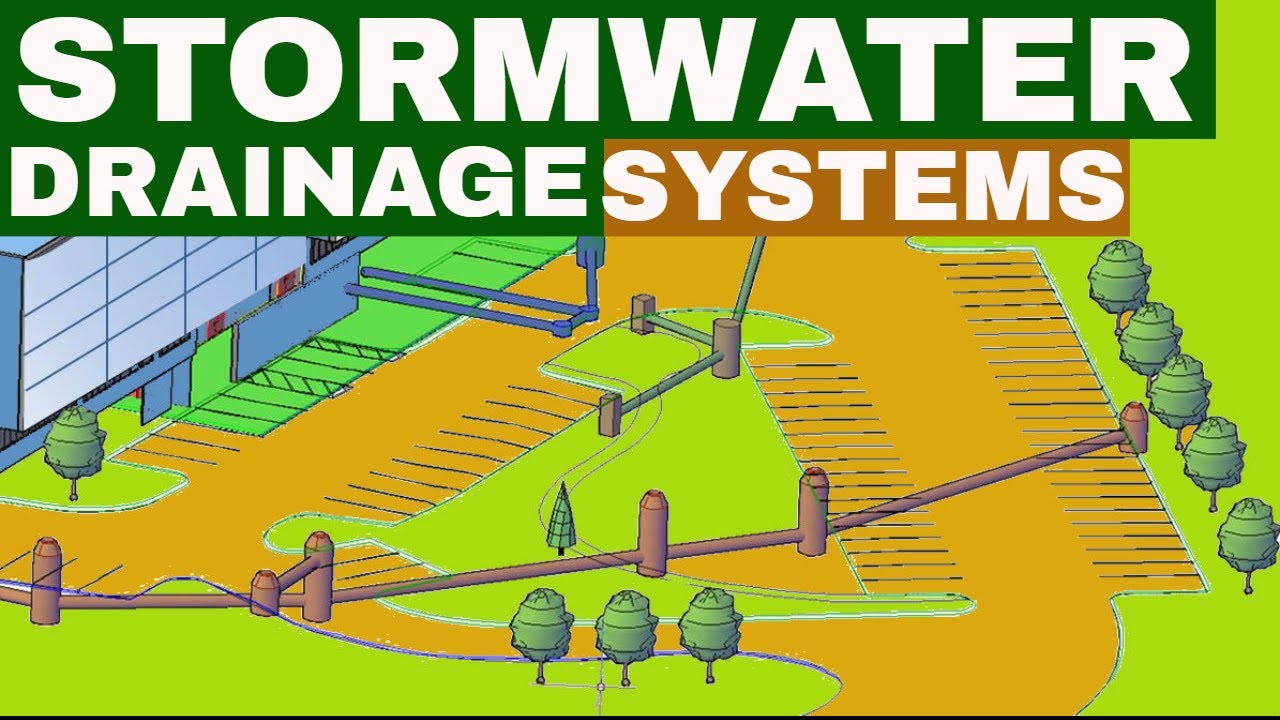
Effective water mitigation requires a multi-layered approach that integrates comprehensive stormwater drainage. Connecting your system to a dedicated downspout drainage extension and scheduling catch basin installation at natural low points prevents surface torrents from infiltrating backfill zones. Combining surface-level runoff mitigation with french drain installation guarantees that landscape drainage systems operate well within their design capacity during peak Hills downpours.
Essential Components of an Engineered Drainage System
Protecting retaining walls from water-induced failure requires a coordinated structural and hydraulic layout. Reliable builders utilize advanced retaining wall techniques that integrate the following vital components:
- Subsurface Collector Pipes: Slotted, corrugated, or perforated PVC conduits installed at the base of the footing, pitched precisely to direct captured water to council-approved stormwater connections.
- Graded Backfill Aggregate: A vertical column of clean, crushed stone that allows gravity to draw water straight down away from the wall face.
- Permeable Geotextile Membrane: A robust separation fabric that wraps aggregate channels, preventing local clay soil from migrating into and contaminating the drainage gravel.
- Surface Interceptor Swales: Shallow graded channels or catch basins above the wall that capture surface runoff before it cascades behind the structure.
The Role of Precision Excavation in Wall Longevity
A retaining wall is only as resilient as the ground on which it rests. Quality outcomes rely heavily on thorough excavation and site prep before any blocks, sleepers, or masonry units are placed. Engaging a dedicated landscape excavation contractor ensures that foundation digging for walls and foundation trenching for walls reach the required depth, accounting for the natural soil bearing capacity.
During landscape excavation for walls, precision operators establish firm benching, manage spoil removal, and execute strategic excavation and grading to direct moisture paths away from structural foundations. Following excavation, systematic landscape compaction and excavation methods minimize post-construction settlement. Without high-calibre landscape earthwork excavation, even premium drainage materials can shift out of alignment, pinch pipes, or reverse gradient slopes, rendering sub-drainage ineffective.
Why Upfront Drainage Investment Saves Thousands
Retrofitting drainage into a cracked or leaning retaining wall is one of the most expensive landscape repairs a homeowner can face. Correcting collapsed walls often requires complete wall deconstruction, secondary landscape drainage excavation, removal of contaminated backfill, and complete structural rebuilds. By partnering with specialists in custom retaining wall solutions and expert stormwater drainage installation from day one, you establish enduring erosion prevention and structural stability.
- Protects Foundation Footings: Eliminates water saturation beneath the base course, reducing the likelihood of differential settlement.
- Prevents Unwanted Hydrostatic Buildup: Allows immediate relief of lateral loads against the wall structure during intense storms.
- Eliminates Unsightly Efflorescence: Stops water from migrating through porous masonry, eliminating chalky mineral stains on block or concrete faces.
- Maintains Stable Slope Conditions: Preserves upper-tier yard areas and safeguards surrounding structures from soil subsidence.
As residential development in Mount Barker expands into steeper hill sectors throughout 2026 and heading into 2027, adherence to modern water control practices is paramount. Implementing effective stormwater drainage, certified earth moving for landscape walls, and innovative retaining wall systems protects your landscape investment and delivers decades of hassle-free performance.
Mt Barker Retaining Walls
2/56A Wellington Rd, Mount Barker SA 5251, Australia
(08) 7282 0278